Lab News
Lab News
Kudos to Carl Litif and team for characterizing the behavioral effects of the opioid fentanyl in a mouse model of Reelin haploinsufficiency
https://www.biorxiv.org/content/10.64898/2026.02.21.707172v3
Manuscript accepted in Otology and Neurotology titled “Whole Genome Sequencing of Sporadic Vestibular Schwannoma Reveals Novel Genetic Changes”. Ashley Kumar and Francesca Telese are co-authors.
Manuscript accepted in Nature Protocols titled “Profiling active RNA polymerase II transcription start sites from total RNA by capped small RNA sequencing (csRNA-seq)”. Patricia Montilla-Perez and Francesca Telese are co-authors.
Kudos to Andy Mingyang Yao and Avi Libster for the development of FEDUPP: Feeding Experimentation Device Users Processing Package to Assess Learning and Cognitive Flexibility
doi: https://doi.org/10.1101/2025.08.14.670424
Manuscript accepted in Addiction Neuroscience titled “Corticotrophin-releasing hormone binding protein in the basolateral amygdala: divergent roles in cocaine and opioid addiction like behaviors”. Arnav Gurha, Avi Libster, and Francesca Telese are co-authors.
Manuscript accepted in Neuropharmacology titled “Perinatal Fentanyl Exposure Drives Enduring Addiction Risk and Central Amygdala Gene Dysregulation”. Our visiting graduate student Yeji Shin and Francesca Telese are co-authors.
Francesca Telese was quoted in the press release from UCSD and an article published by Genomeweb.
A manuscript titled “TM7SF3 controls TEAD1 splicing to prevent MASH-induced liver fibrosis” was accepted in Cell Metabolism. Francesca Telese, Narayan Pokhrel, and Avraham Libster are co-authors. This work was in collaboration with Dr. Olefsky’s research group at the School of Medicine at UCSD.
Shane Desfor, Naryan Pokhrel, Yanning Zuo, and Daimeng Sun present a poster at the 19th Annual Lewis L. Judd Young Investigators Research Symposium at the Department of Psychiatry, UCSD
She is a visiting graduate student from the Department of Biological Sciences, Sungkyunkwan University, Korea.
The position of Member-at-Large is a 3-year term. The Members-at-Large work with the President, Executive Committee and other IBANGS Committees on specific issues.
Press/Media
Rodents Offer New Insights Into the Diversity of Addiction
The Scientist | Dec 1 2023

Cellular Atlas of Amygdala Reveals New Treatment Target for Cocaine Addiction
UC San Diego Today | Oct 5 2023
Epigenetic Underpinnings of Human Addiction
Active Motif Podcast | Dec 21 2023
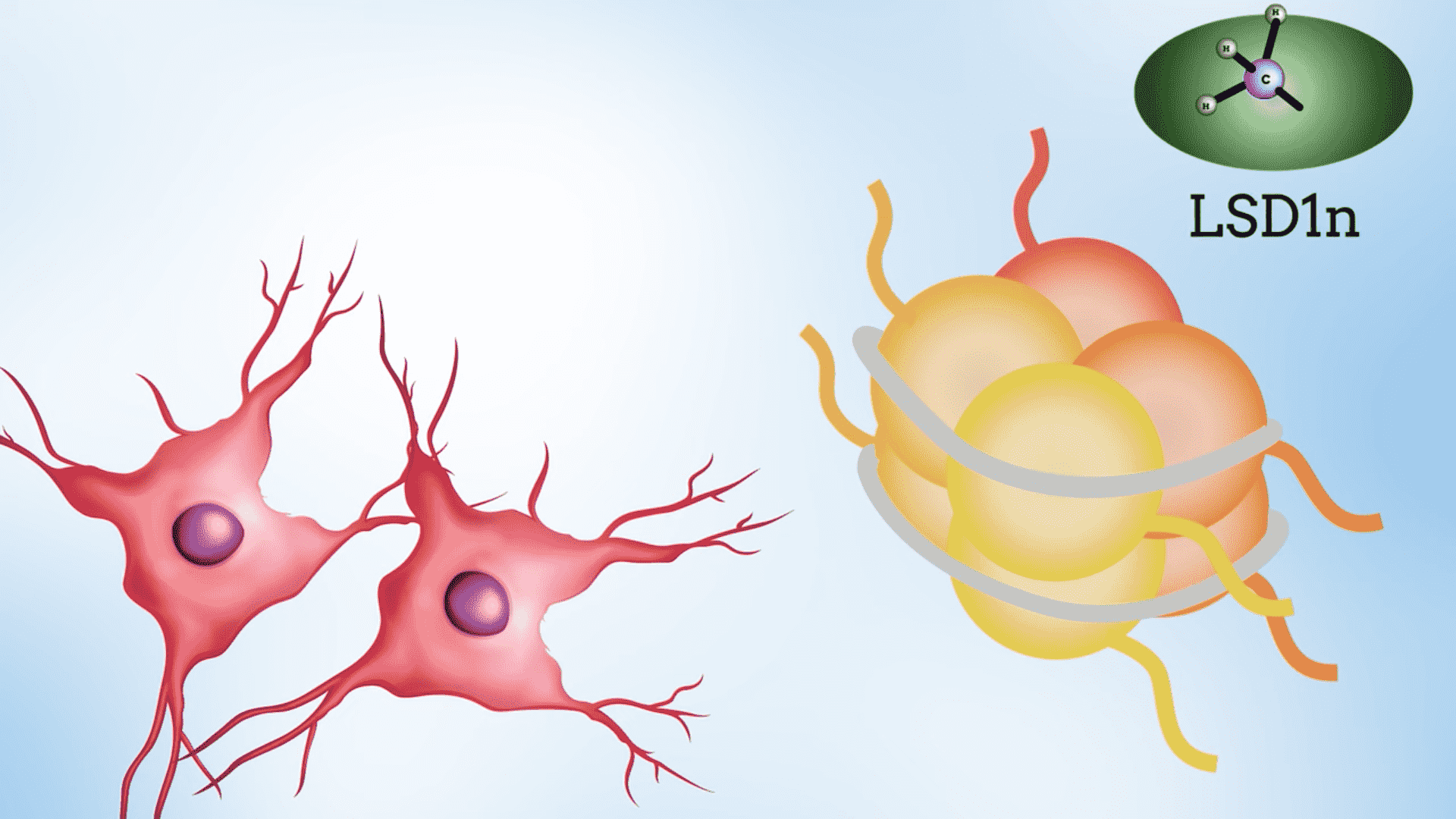
LSD1n is an H4K20 demethylase regulating memory formation via transcriptional elongation control
Research Square | July 27 2015